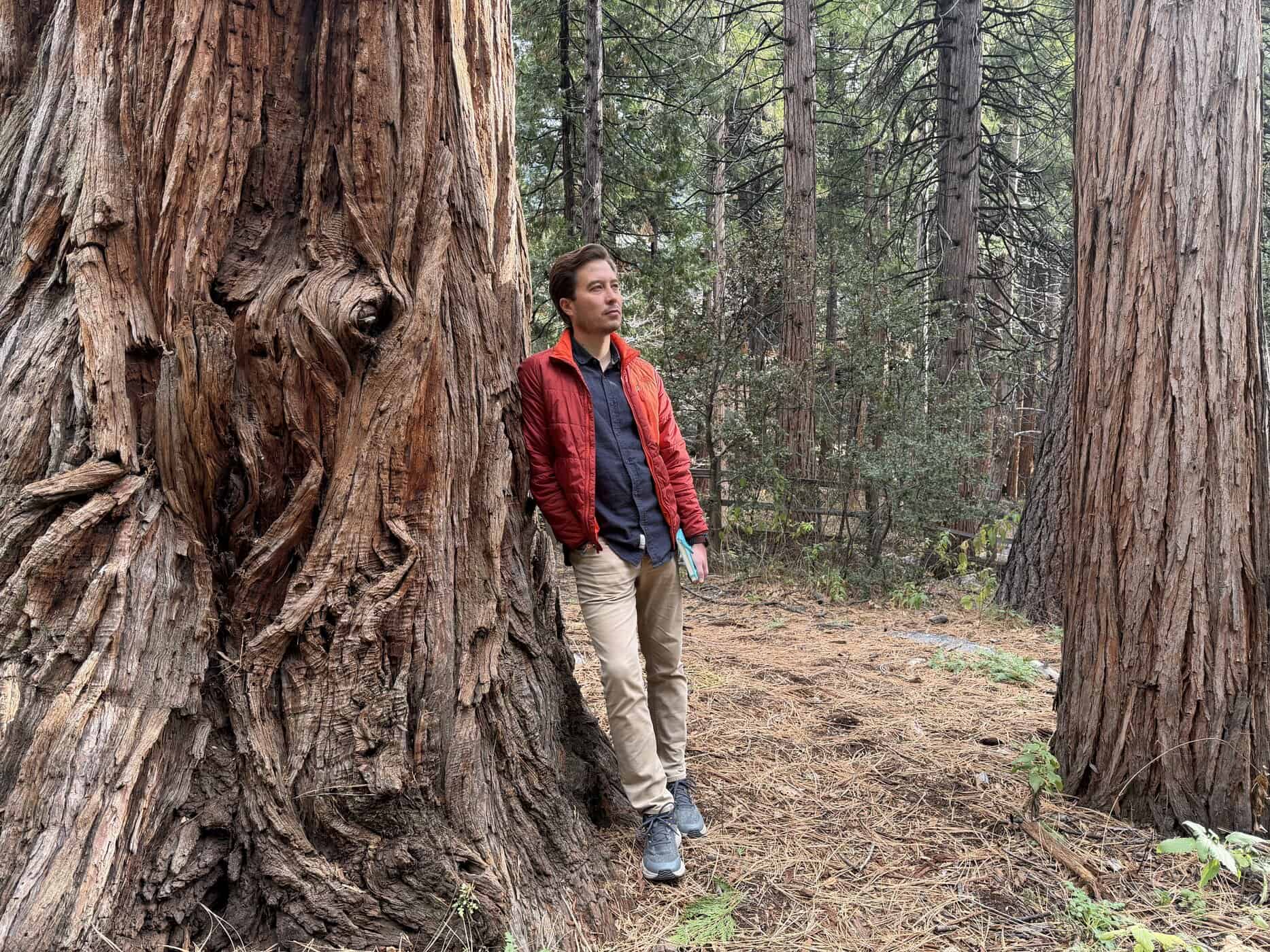
Photo: Forte Labs
The productivity educator who put “building a second brain” into everyday vocabulary and gave knowledge workers a simple, tool-agnostic way to organize their digital lives.
Field / lens: Second Brain, PARA, CODE — personal knowledge management and productivity
Based in: Valle de Bravo, Mexico (moved from California in summer 2024; Forte Labs operates from there)
Timezone: Central Time, Mexico (CST, UTC−6)
Why they matter to the Guild
Forte took personal knowledge management out of the enthusiast niche and made it legible to a mainstream audience. He gave the field two of its most-used building blocks — the PARA Method for organizing and the CODE workflow for turning notes into output — and a shared phrase, “second brain,” that lets people name what they are doing. For a community of practice that spans many tools, his frameworks are deliberately tool-agnostic, which makes them common ground rather than a camp.
The arc of their work
- Before — More than a decade researching and personally experimenting with systems for organizing digital information, sparked by a chronic health condition that affected his memory. He published prolifically on the Forte Labs blog (PARA, Progressive Summarization) and, in January 2017, launched the Building a Second Brain cohort course.
- The landmark — The Building a Second Brain methodology, crystallized in the 2022 book (a Wall Street Journal bestseller, 500,000+ copies, 25+ languages). This is the work he is known for.
- After — The PARA Method (2023) as a standalone guide; in early 2023 he stepped back from teaching live cohorts after ~6,000 students, shifting toward self-paced and AI-assisted formats (the “AI Second Brain”). Continues to write, publish, and run Forte Labs from Mexico.
Key ideas and terms
- Second Brain — An external, trusted digital system that stores and surfaces what you know, so your biological brain is free to think. See Glossary — Shared Language.
- PARA — Projects, Areas, Resources, Archives: organize by actionability, not topic. See Glossary — Shared Language.
- CODE — Capture, Organize, Distill, Express: the four-step flow from input to creative output.
- Progressive Summarization — Layered highlighting that makes a note more discoverable each time you revisit it.
- Intermediate Packets — Reusable chunks of work (outlines, drafts, research) that recombine across projects.
Their works
Books
- Building a Second Brain
- The PARA Method
Courses - Building a Second Brain (Course)
Talks / major articles / blog series - Forte Labs blog — the original PARA and Progressive Summarization essays (fortelabs.com/blog)
Find them
- Site: https://fortelabs.com/ · https://www.buildingasecondbrain.com/
- Newsletter: Forte Labs (via fortelabs.com)
- YouTube: https://www.youtube.com/channel/UCmvYCRYPDlzSHVNCI_ViJDQ
- Podcast: Frequent guest (Creator Science, David Perell’s How I Write, Scott H. Young, and others)
- X / Twitter: Tiago Forte (@fortelabs) / X
- LinkedIn: Tiago Forte - Forte Labs | LinkedIn
- Other: Instagram https://www.instagram.com/fortelabsco/
Related leaders
- David Allen — Forte builds directly on Getting Things Done; PARA’s “Projects” maps onto GTD’s project concept, and both emphasize trusted external capture. Forte names Allen a foundational influence.
- Nick Milo — Fellow PKM educator; complementary lenses (PARA for organization by actionability, Linking Your Thinking for connection by links).
- Sönke Ahrens — Zettelkasten/smart-notes sits alongside CODE: Forte’s system is output-oriented, Ahrens’ is understanding-oriented; often read as a pair.
- Cal Newport — Philosophical tension: Forte champions digital tools as cognitive extensions; Newport is skeptical of them.
Sources
- Forte Labs — Tiago Forte author/about content: https://fortelabs.com/ and Tiago Forte, Author at Forte Labs
- Building a Second Brain publisher page — Simon & Schuster: https://www.simonandschuster.com/books/Building-a-Second-Brain/Tiago-Forte/9781982167387
- The PARA Method — Amazon listing: Amazon.com
- Course history (Cohort 1, January 2017; ~6,000 students): Forte Labs / Creator Science interview #102: Tiago Forte – How Building a Second Brain went from public… and Disco case study Customer Stories & Case Studies | Disco