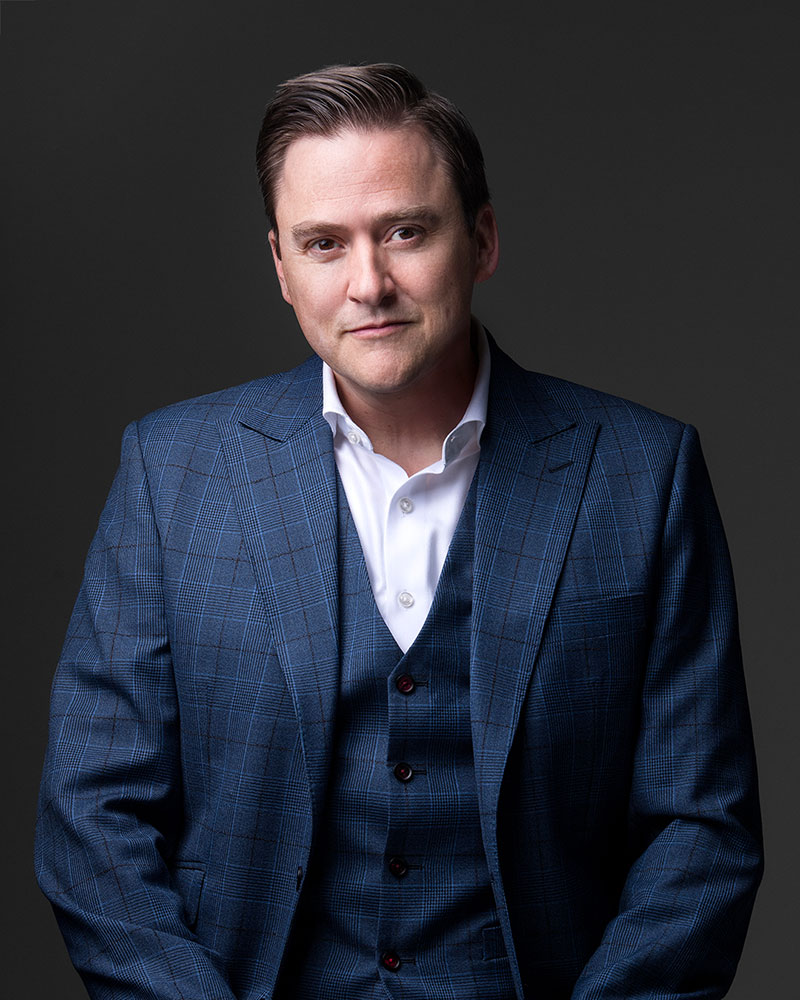
Photo: gregmckeown.com
Author and speaker who made “less but better” a discipline: the disciplined pursuit of less, so you can make the highest possible contribution.
Field / lens: Essentialism, focus, prioritisation, subtraction
Based in: Southern California, USA (British-born)
Timezone: PT (UTC−8/−7)
Why they matter to the Guild
McKeown gave the field a clean decision filter for the overload problem: when everything looks important, the move is not to do more faster but to discern what is essential and eliminate the rest. He belongs on the map as the strongest voice for subtraction as a discipline — a counterweight to the “capture and connect everything” instinct of digital PKM. His two-book arc names both halves of the problem: what to focus on, then how to make that work sustainable rather than heroic.
The arc of their work
- Before — Stanford MBA and work in Heidrick & Struggles’ Global Leadership Practice; co-authored Multipliers (2010, with Liz Wiseman) on leaders who amplify the intelligence around them. Blogging for Harvard Business Review built the audience.
- The landmark — Essentialism: The Disciplined Pursuit of Less (2014). The word itself entered the productivity vocabulary as shorthand for ruthless prioritisation; the book became the go-to reference for strategic simplification in work and life.
- After — Effortless (2021) extended the framework from what to how: even essential work fails if it demands constant grinding, so make the essential easier. Alongside the books he runs The Greg McKeown Podcast (since 2020) and the 1-Minute Wednesday newsletter, and is pursuing doctoral research at the University of Cambridge.
Key ideas and terms
- Essentialism — A systematic discipline for discerning the vital few from the trivial many, then eliminating the non-essential to make the highest contribution. See Glossary — Shared Language.
- The disciplined pursuit of less — “Less but better” as a method, not an excuse: fewer, better-chosen commitments beat trying to do it all.
- Essential intent — A single, concrete, inspiring decision that serves as a filter for all other choices.
- Trade-offs — Rejecting the “have it all” myth; every yes is a no to something else, so choose deliberately.
- Effortless — Making essential activities easier rather than harder, so good work becomes sustainable.
Their works
Books
Talks / major articles / blog series
Find them
- Site: https://gregmckeown.com/
- Newsletter: 1-Minute Wednesday — 1-Minute Wednesday - Greg McKeown
- YouTube: https://www.youtube.com/@gregorymckeown
- Podcast: The Greg McKeown Podcast — The Greg McKeown Podcast - Top 5 of All Self Improvement Podcast
- X / Twitter: Greg McKeown (@GregoryMcKeown) / X
- LinkedIn: Greg McKeown - 2X NYTs Bestselling Author | LinkedIn
- Other: Instagram @gregorymckeown; founder & CEO of McKeown, Inc.
Related leaders
- Cal Newport — Closest philosophical peer. Essentialism and Newport’s Slow Productivity / Deep Work both argue “less but better”; McKeown frames it through leadership and decision-making, Newport through attention and craft.
- David Allen — Productive tension. GTD captures and organises every commitment; McKeown questions whether everything should be captured at all, asking how few commitments to take on.
- Tiago Forte — Same overload problem, opposite default: Forte builds a system to hold more; McKeown is the discipline that decides what never enters it.
Sources
- Greg McKeown, About, Essentialism, Effortless, and Podcast, gregmckeown.com
- The Greg McKeown Podcast, Apple Podcasts (first episode May 14, 2020; formerly What’s Essential)
- Essentialism and Effortless, Penguin Random House
- Vault: Greg McKeown